
Habitat Landscapes · Bert on site
How Habitat made Bert part of the day.
It began with a message from site. Over twelve weeks, Bert found a place in the conversations between Habitat’s teams, office and management. At the same time, the people building Bert learned what it really takes to join a working world.
Read the twelve-week story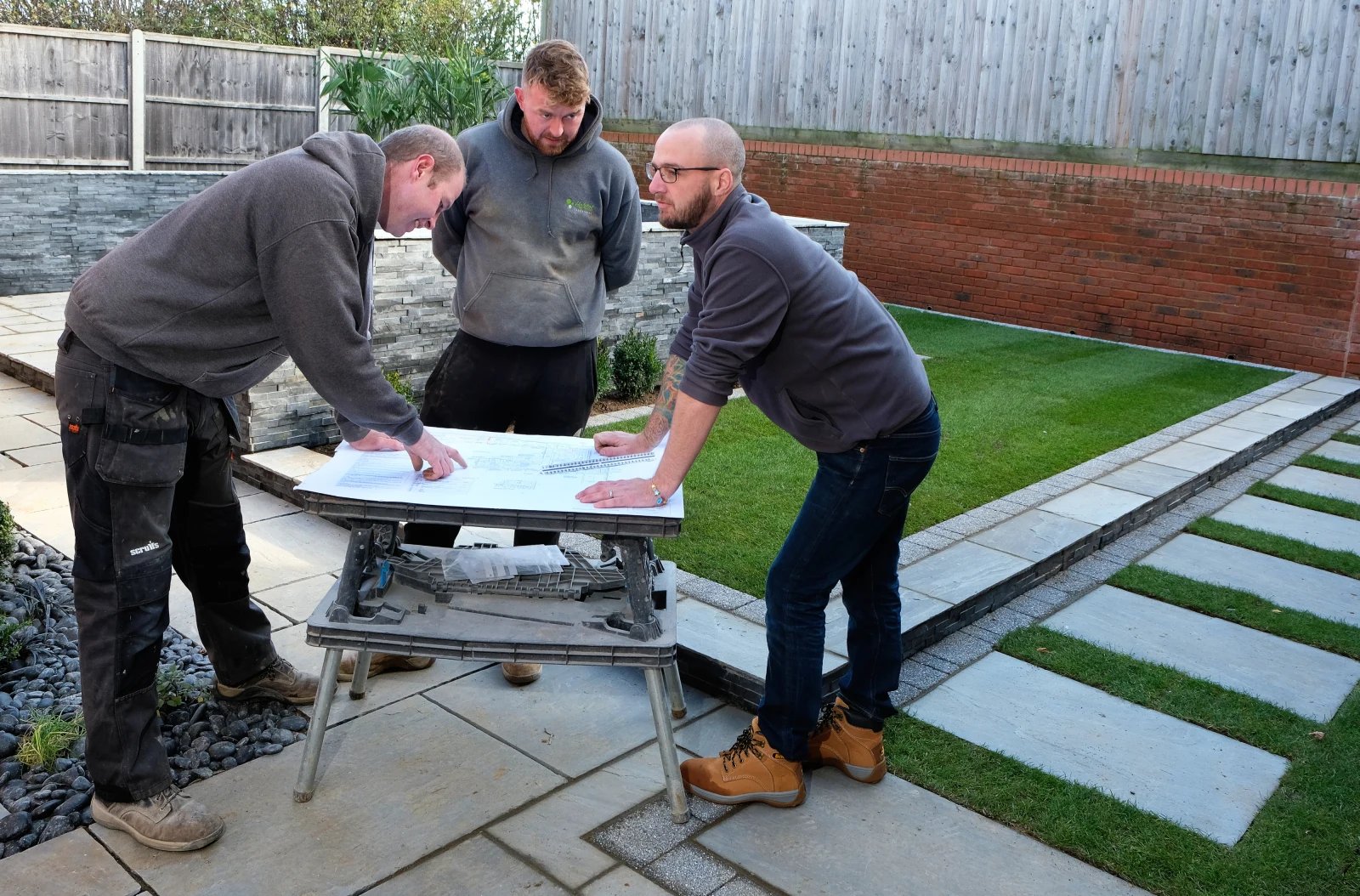

15 June – 6 September 2026
Not a demo.
A working habit.
Team leads reported work while it was fresh. Bert helped turn those updates into something the rest of the business could use. Then the team came back the next day, and the next.
- 1,626
- user-authored messages in the Habitat beta
- 60
- working days of activity captured
- 12
- weeks of real work, questions and corrections
The twelve-week field journal
How Bert earned a place in the work.
June · The first messages
The site speaks first.
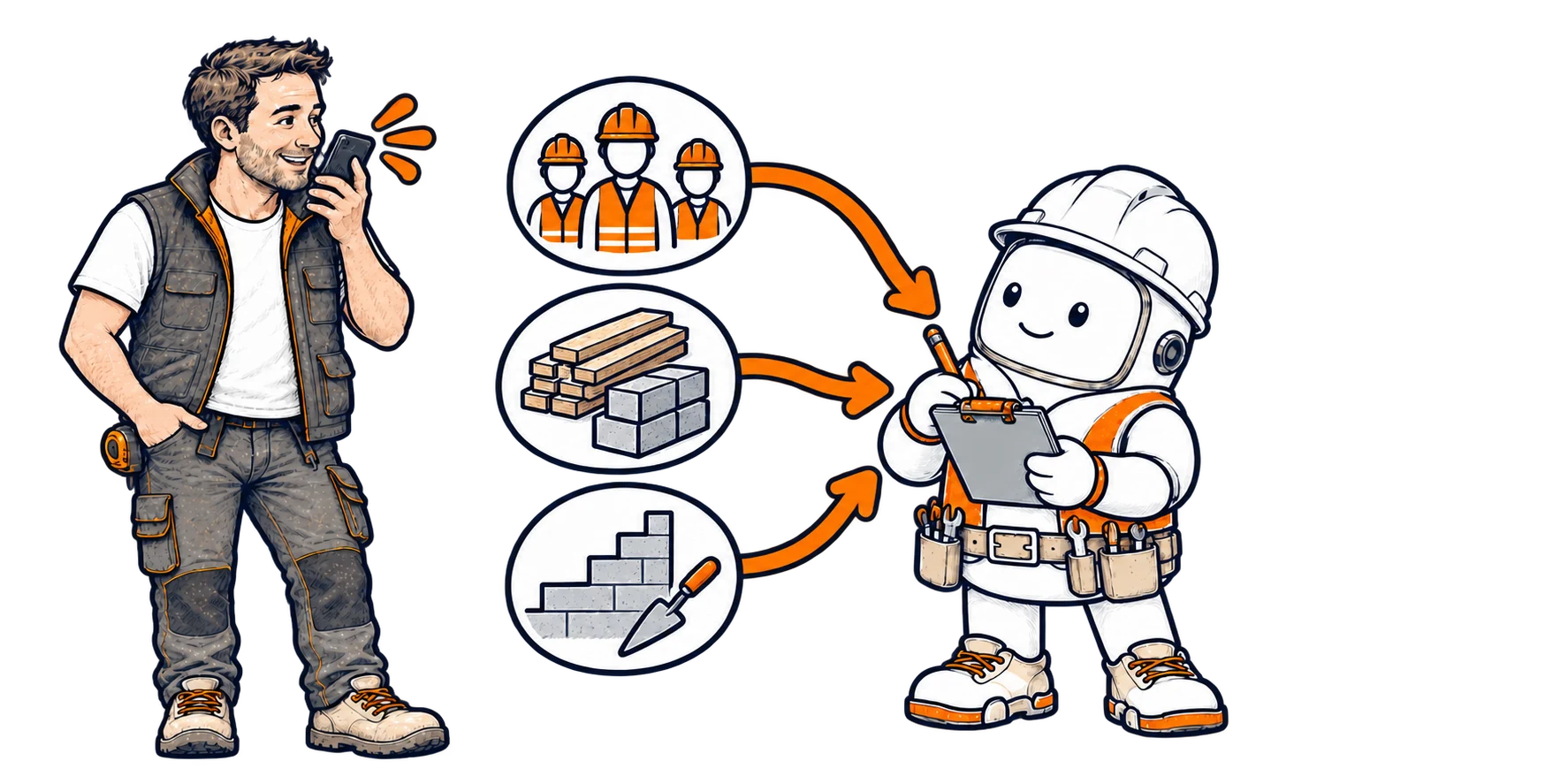
Habitat’s leaders introduced the people, teams and jobs. Then site leads began sending labour, materials and progress by message or voice note, in the middle of ordinary working days. Bert had to learn the difference between a quick update and a reliable record.
July · A daily rhythm
The follow-up becomes useful.
Daily check-ins brought missing details back while people could still remember them. Weekly reports could draw on updates gathered during the work, instead of starting another round of chasing on Friday. The busiest week in July had more than twice the user-message activity of the opening week.

August · Growing confidence
The team began expecting more.
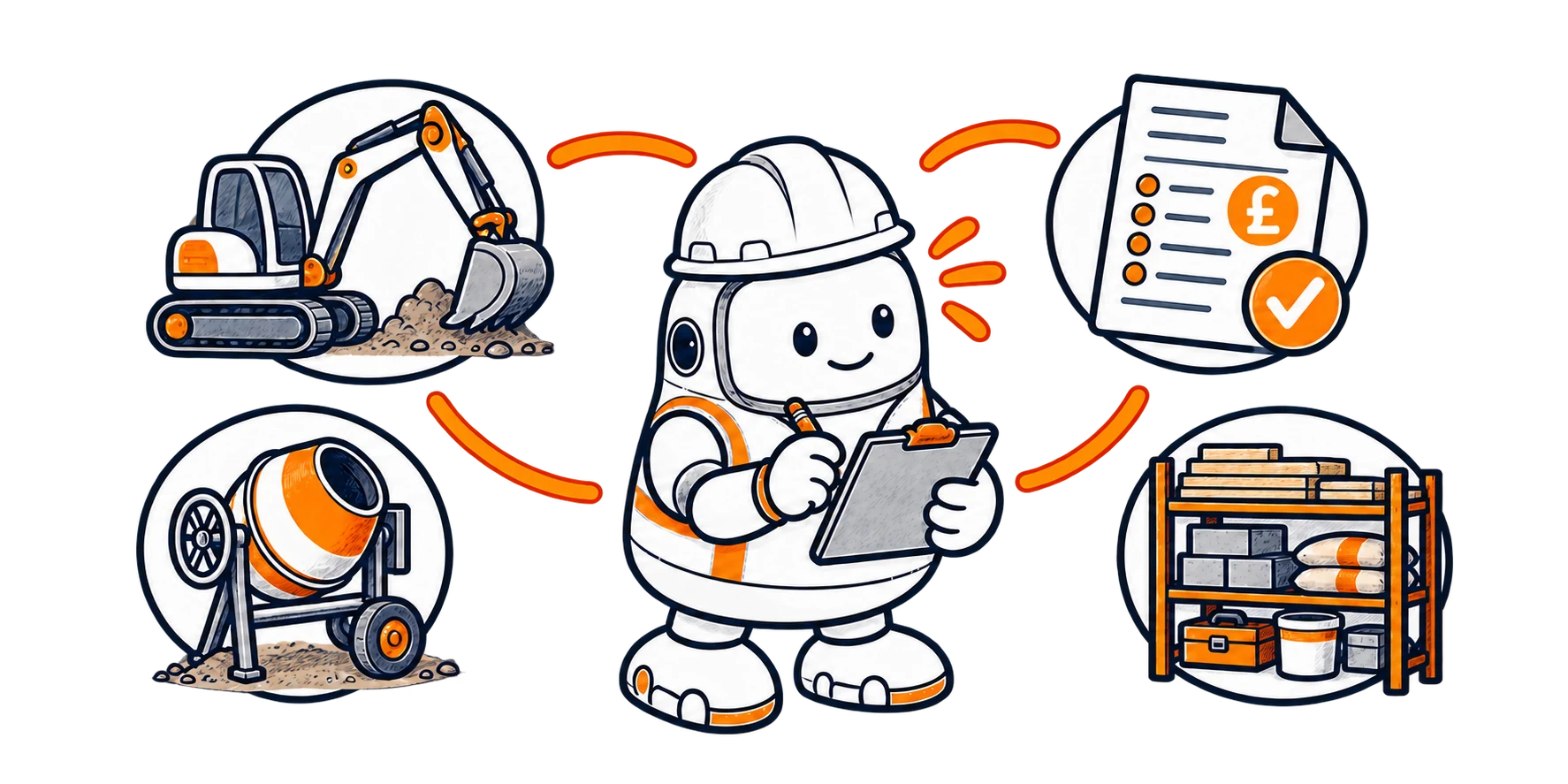
As confidence in Bert grew, so did the requests. The team began asking for help with lead tracking, inventory control and equipment tracking—not just site updates. In the office, people gradually saw that Bert was not there to take their jobs. He could help them reclaim time and focus on the judgement, relationships and decisions only they could bring.
Late August–September · Part of the group
Habitat teaches Bert the rules.
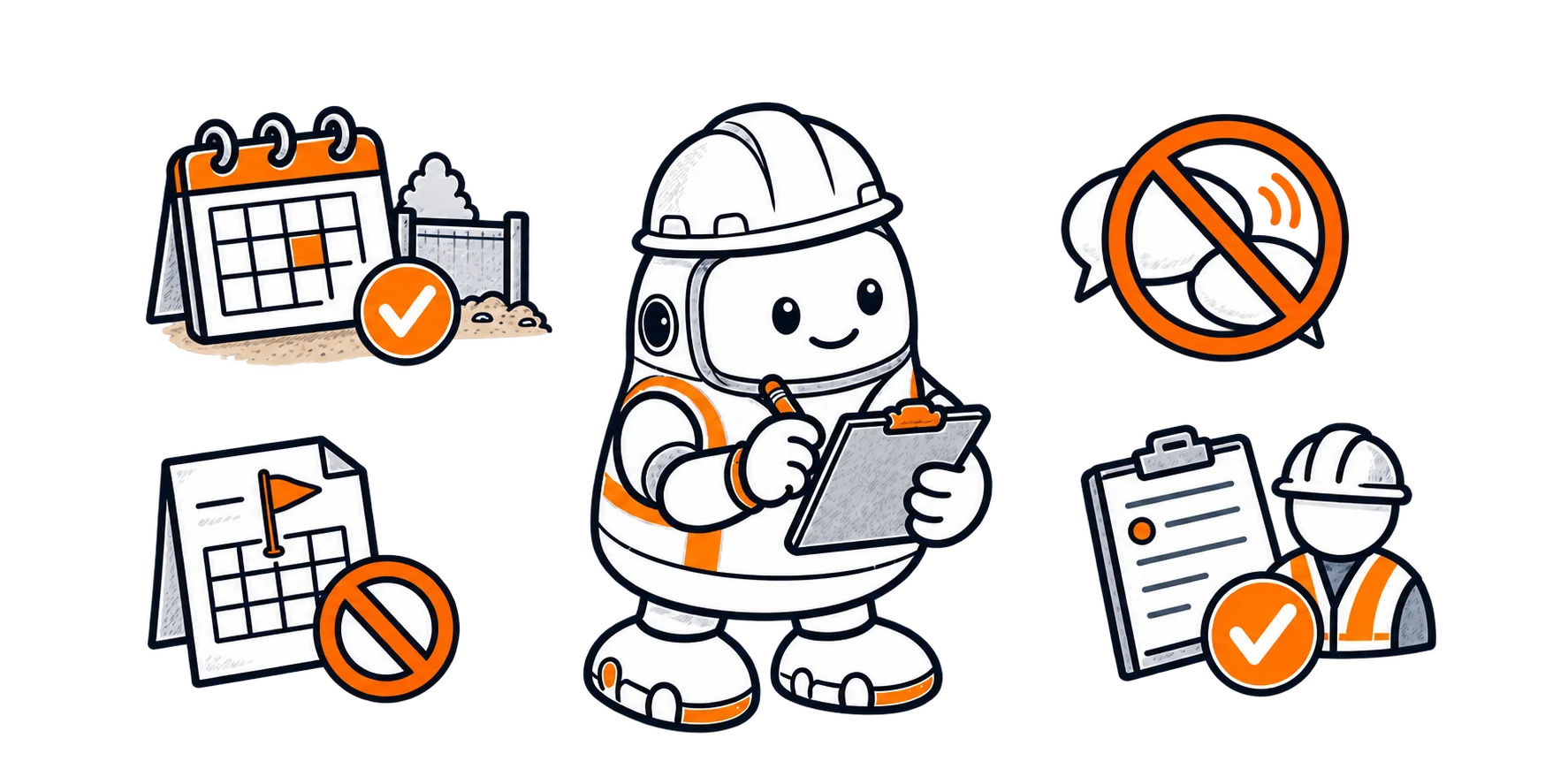
Bert joined a management conversation with instructions to listen before speaking, notice dates and discrepancies, and raise questions with the right people. The team also kept challenging the details: a site visit is not a job start; yard-stock changes need clear authority; an uncertain report should be checked, not guessed.

A name the team gave him
Then SiteMind became Bert.
The nickname arrived in the team’s own conversations. People greeted Bert, thanked Bert and brought colleagues into the chat. That warmth mattered because the operational habit had to belong to the people doing the work—not to a piece of software they were told to use.
But familiarity was never a substitute for accuracy. Habitat corrected wrong names, job boundaries and missing details, and pressed Bert to be honest about what Bert could and could not yet do.
What the beta proved
The value was in the loop.
Participation made the record possible. Reuse made it useful. Corrections made the standard for trust visible.
Less reconstructing.
Updates could arrive by message or voice while the work was happening, with the missing pieces chased closer to the moment.
A shared view.
The office and management could ask across people and jobs instead of piecing together separate chats.
Rules from reality.
Habitat’s questions shaped permissions, clarification, reporting and how Bert should admit a limit.
What Habitat taught us
The beta changed how we built Bert.
Every correction and new habit was a lesson for the team behind Bert. We were not just improving replies; we were learning how a persistent participant should behave when real work depends on it.
Trust had to be earned in the work.
Trust rested on two things: the platform runtime and harness that kept Bert dependable, and the model of the work Bert needed to understand. A failure in either looked the same to Habitat: Bert had let the team down.
The beta taught us to tell those failures apart. It showed us which capabilities belonged in Bert's enduring foundation for future ventures, and what a great AI-first domain model must get right. We corrected the problems on both sides, because trust only held when the whole experience worked in real life.
Conversation was a new design discipline.
The art of interjection mattered. A system reminder, a message from the office or a task becoming active could all enter a conversation already in motion. Even when useful, the interruption could feel jarring. We realised how easily those moments could break the flow—and changed the experience so Bert felt like a participant, not an interruption.
Real conversations also refused to stay on one topic. A single thread could carry several jobs and people; the same piece of work could move through direct chats, groups and other channels. We learned to handle that fluidity without losing the thread.
The channel was part of the product.
Messages, voice notes and email let Bert join the rhythm of site work. But chat was not the right place for every outcome: a conversation could carry an update, then become a poor place to see the wider picture or work with the record it created.
That did not mean simply sending people to a conventional app. Fixed screens can ask people to mould their work to the software. We explored generative UI alongside traditional interfaces, looking for ways to show the record around what someone actually needed—not what the system expected them to do.
The relationship was not a side effect.
People who were usually hesitant around new technology began leaning into their relationship with Bert. They talked to him about evening plans and holidays, shared work they were proud of, and asked if he could check in on days they were alone on site. That surprised those of us building him.
We learned that fostering Bert's personality—and preserving it as he evolved—mattered as much as getting the work right. Correctness was essential, but the relationship helped people feel comfortable bringing Bert into their day.
Habitat helped us see the difference between a conversation that sounds useful and a Bert a team can build its day around.
The next chapter
From beta partner to first paying customer.
After three months of putting Bert to work—and three months of learning how to build Bert for that work—Habitat Landscapes became Bert AI’s first paying customer. The relationship continues: a real team shaping a Bert that can keep up, and a product team accountable for making the record more dependable.
Explore Bert on site